A failing radiator can turn an otherwise reliable European vehicle into a roadside problem. European Vehicles radiator replacement is one of the more involved cooling system jobs we handle regularly at Gatton Automotive Solutions, and it’s a service that matters more than many drivers realise. European vehicles often run tighter engine tolerances and more sophisticated thermal management systems than many Japanese or American counterparts, which means a compromised radiator doesn’t just cause inconvenience. It can lead to serious and expensive engine damage if the problem is ignored or misdiagnosed.
Warning Signs Your European Vehicle’s Radiator May Need Replacing
Radiator problems don’t always announce themselves dramatically. Sometimes the first sign is a temperature gauge creeping higher than usual on a warm afternoon. Other times it’s a puddle of coolant under the car after it’s been parked overnight. Knowing what to look for can help you act before a slow leak becomes an overheating engine.
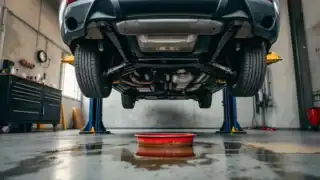
- Coolant leaks visible under the vehicle, particularly orange, green, or pink fluid with a faint sweet smell
- Rising temperature gauge or the engine warning light appearing during normal driving
- Low coolant level that keeps dropping even after being topped up
- Discoloured coolant that appears rusty, oily, or milky instead of clean and clear
- Visible damage to the radiator fins, cracked plastic end tanks, or corrosion around fittings
- Overheating in traffic or during stop-start driving when airflow through the radiator is reduced
European vehicles, including models from BMW, Mercedes-Benz, Audi, Volkswagen, and Volvo, commonly use plastic end tanks bonded to an aluminium core. These tanks can crack with age, particularly in vehicles with higher mileage or those that have experienced overheating at any point in their history. It’s a known characteristic of many European cooling system designs, and it’s one reason why a visual inspection alone isn’t always enough to catch a developing fault early.
What We Do During a European Vehicles Radiator Replacement in Gatton
Before we remove anything, we carry out a proper cooling system assessment. That means pressure-testing the system to confirm where a leak is originating, checking the condition of the coolant, and inspecting surrounding components including hoses, the thermostat, and the cooling fans. Replacing a radiator only to have a failed thermostat or cracked hose cause problems a week later is a frustrating outcome for everyone, and it’s one we actively work to avoid.
For European vehicles, the diagnostic step matters even more. Many modern European models have engine management systems that monitor coolant temperature precisely, and fault codes related to cooling can sometimes point to a temperature sensor or thermostat rather than the radiator itself. We read any stored fault codes as part of our process to make sure we’re replacing what actually needs replacing.
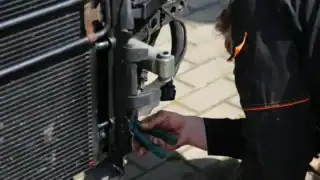
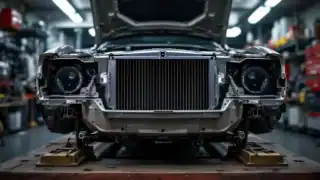
Once we’ve confirmed the radiator is the problem, we remove it according to the manufacturer’s procedure, which on many European models involves more steps than a simpler domestic vehicle. We fit a replacement radiator to OEM specification or a quality aftermarket equivalent that meets the vehicle’s thermal capacity requirements. The cooling system is then refilled with the correct coolant type for your vehicle, which on European models varies significantly by manufacturer. BMW, for example, specifies a different coolant chemistry to Volkswagen Group vehicles. Using the wrong type can cause internal corrosion over time, so getting this right matters.
We also bleed the system properly to remove any air pockets, which is a step that’s easy to overlook but important for accurate temperature readings and full cooling performance. The vehicle is then run up to operating temperature with the heater on full to confirm there are no remaining leaks and that the engine reaches and holds its correct operating temperature.
What Affects the Cost and Time Involved
Radiator replacement on a European vehicle varies more than on simpler platforms. The parts cost depends on the make, model, and year of your vehicle, and whether an OEM-quality radiator or a quality aftermarket alternative is the right fit. Some European models have straightforward radiator access, while others involve removing additional components to get to the core. Labour time reflects that complexity.
If other cooling components are found to be marginal during inspection, such as hoses that are soft or cracked, a thermostat that’s not opening fully, or coolant that’s past its service life, we’ll let you know before doing any additional work. There are no surprises on the invoice here.
Why Gatton Drivers Choose Us for European Cooling Work
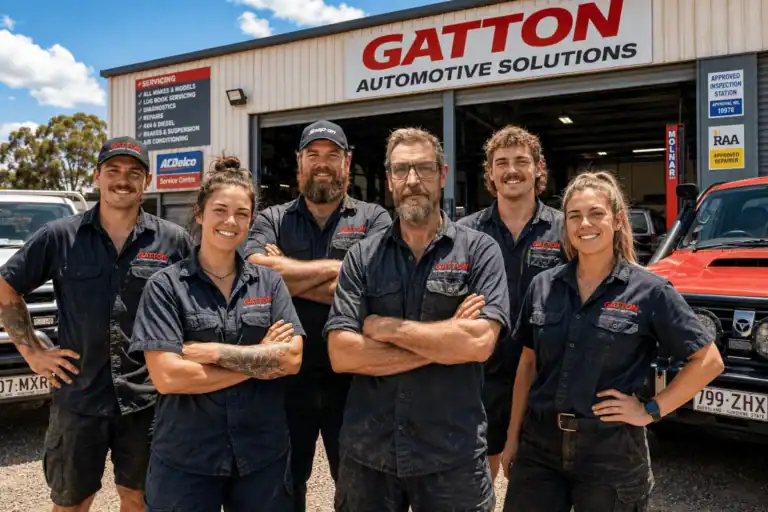
Gatton Automotive Solutions is a full-service workshop covering everything from everyday passenger cars through to 4WDs, trucks, and heavy equipment. You don’t need to drive to Ipswich or Toowoomba for European cooling system work. We handle parts sourcing directly, which keeps things moving and avoids delays waiting on orders to be relayed through third parties.
With five-star reviews from local drivers, our reputation is built on giving honest advice and doing work properly the first time. We don’t recommend repairs unless they’re genuinely needed, and we explain what we’ve found before we proceed. For fleet operators or businesses running European-branded vehicles in the Lockyer Valley, we understand that time off the road costs money, and we work to get vehicles back to you as efficiently as the job allows.
If your European vehicle is running hot, leaking coolant, or the temperature warning light has come on, don’t wait for it to get worse. Call Us Now or Book Your Free Inspection online, and we’ll take a proper look at what’s going on with your cooling system right here in Gatton.