European vehicles are built with tightly engineered cooling systems, and when something goes wrong, the margin for error is smaller than it is with most other cars. A radiator leak or blockage on a BMW, Volkswagen, Mercedes-Benz, Audi, or Volvo can escalate quickly into a costly overheating event if it’s left unaddressed. European vehicles radiator repair is something we handle regularly here in Gatton, and the approach we take reflects just how precise these cars need to be to stay in good shape.
Warning Signs Your European Vehicle’s Radiator Needs Attention
European vehicles often give clear early signals before a cooling fault becomes serious. The trouble is, those signals are easy to dismiss as minor until the temperature gauge starts climbing. If you’re seeing any of the following, it’s worth getting the cooling system looked at sooner rather than later.
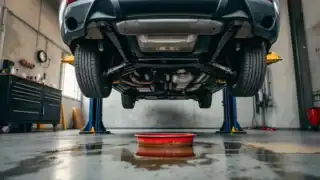
- Coolant pooling under the car after parking, often with a faint sweet smell
- Low coolant warnings on the dashboard, particularly on European vehicles that monitor fluid levels electronically
- The temperature gauge running higher than normal, especially in stop-and-go traffic or on the highway
- White or grey exhaust smoke that lingers, which can indicate coolant entering the combustion chamber
- Visible staining or discolouration around the radiator, hoses, or overflow reservoir
- Heater blowing cold inside the cabin, which often points to low coolant flow or an airlock in the system
Some European models, including certain VAG Group vehicles (Volkswagen, Audi, SEAT, and Skoda share significant platform components), are known for plastic radiator end tanks that become brittle with age. A small crack or weep can develop without any drama, then fail more suddenly under pressure. Getting it checked early is the better move.
What Happens During a Radiator Inspection and Repair
We start with a proper diagnosis, not a guess. For European vehicles, that means using scan tools to pull any stored fault codes related to coolant temperature, thermostat performance, or fan operation before we even open the bonnet. This step matters because a coolant leak and a faulty temperature sensor can look the same from the outside but require completely different repairs.
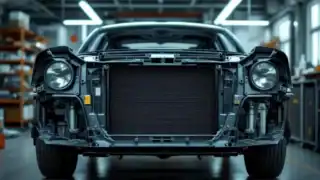
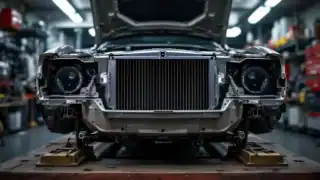
From there, we do a visual inspection of the radiator body, end tanks, inlet and outlet hoses, the radiator cap, and the overflow bottle. We check for corrosion, weeping seams, cracked plastic, and hose clamp condition. Where a leak isn’t immediately visible, we pressure-test the cooling system to isolate the source accurately. On European vehicles, this is particularly important because a small leak at a lower hose can sometimes look like a radiator issue until you put the system under proper pressure.
If the radiator needs repair rather than replacement, we assess whether that’s genuinely the right call for the vehicle. Older steel-core radiators can often be repaired effectively. But on newer European vehicles with aluminium cores and plastic tanks, replacement is usually the more reliable outcome. We’ll tell you which option makes more sense for your car and why, without steering you toward the more expensive option if it’s not warranted.
Fluid selection matters here too. European manufacturers specify particular coolant types, and using the wrong formulation can cause seal degradation or accelerated corrosion inside the cooling circuit. We source coolant that meets the relevant European specification for your vehicle, whether that’s a silicate-free OAT coolant for a modern German-spec car or a different formulation for an older British or Swedish model.
What Affects Cost and Timeframe for Radiator Repairs on European Vehicles
A few variables shape what a radiator repair will involve for your specific car. The biggest one is parts. European vehicle parts are often more expensive than those for equivalent Japanese or local-market vehicles, and availability varies. We handle our own parts sourcing here at the workshop, which means we can track down the right parts for less common European models without sending you to source them yourself.
The condition of surrounding components also affects scope. On a vehicle that’s been running hot, hoses may have softened, the thermostat housing may have warped on plastic-bodied designs, or the coolant reservoir may need replacement at the same time. We’ll flag anything like that before the work starts, not after. Labour time depends on how accessible the radiator is in that particular model’s engine bay. Some European vehicles require significant disassembly to access the radiator properly, and we’ll give you a clear picture of that upfront.
European Vehicles Radiator Repair in Gatton, Without the Drive to Ipswich or Toowoomba
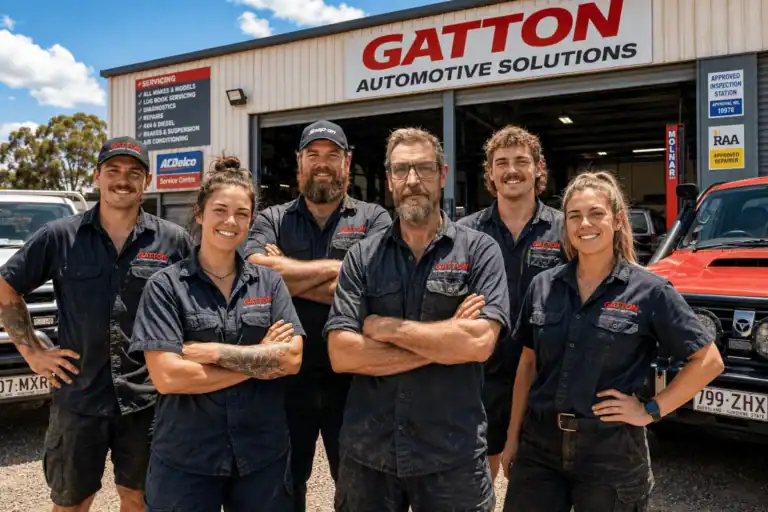
Gatton Automotive Solutions is a full-service workshop handling everything from everyday passenger cars to 4WDs, trucks, and heavy equipment under one roof. For European vehicle owners in the Lockyer Valley, that means you don’t need to drive 45 to 80 kilometres to a specialist workshop in Ipswich or Toowoomba for a radiator repair. We have the diagnostic equipment, the parts sourcing capability, and the experience with European cooling systems to do the job properly, locally.
We’re locally owned and operated in Gatton, and we’re straight with people about what’s actually needed. No padding out a repair with parts your car doesn’t need. Our five-star reviews reflect the kind of workshop we try to be, and we’d rather you came back next time because we did the job right than because we kept you coming back unnecessarily.
If your European vehicle is showing signs of a cooling system problem, Call Us Now or Book Your Free Inspection online. We’ll take a proper look and let you know exactly where things stand before any work begins.