An Isuzu cooling system flush is one of those services that tends to get pushed to the back of the queue until something goes wrong. That’s understandable. Coolant doesn’t squeal like brake pads or vibrate like worn tyres. But the cooling system is quietly working hard every time your Isuzu is running, and when degraded coolant starts to do more harm than good, the consequences can be serious. Whether you’re driving a D-Max, MU-X, or an older Trooper around Gatton, keeping the coolant in good condition is one of the most cost-effective things you can do for long-term engine health.
Why Coolant Degrades Over Time
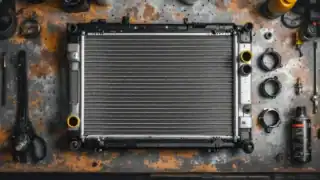
Coolant, also called antifreeze or radiator fluid, does several jobs at once. It carries heat away from the engine, prevents freezing in cold temperatures, and contains inhibitors that protect metal surfaces inside your cooling system from corrosion. The problem is those inhibitors wear out. Over time the fluid becomes acidic, and instead of protecting components like the radiator, water pump, and heater core, it starts to attack them.
Isuzu D-Max and MU-X models run an aluminium-heavy engine and cooling system architecture. Degraded coolant is particularly aggressive toward aluminium, which is worth keeping in mind if your vehicle has gone longer than the recommended interval between flushes. Isuzu generally recommends a coolant change at a set interval, but if your vehicle has been working hard, towing regularly, or running in stop-start conditions, the fluid condition can deteriorate ahead of schedule.
Signs Your Isuzu Cooling System Needs Attention
Some signs are obvious. Others are easy to miss until the problem has already progressed. Here’s what to watch for:
- Temperature gauge running higher than usual, especially during slow traffic or on long runs
- Coolant that looks brown, rusty, or murky rather than the clear green, blue, or orange it should be
- A sweet smell from under the bonnet or inside the cabin, which can indicate a small coolant leak
- White residue around hose connections or the radiator cap, a sign of past leakage or heavy mineral deposit build-up
- Heater performance dropping off in cooler weather, which sometimes points to a partially blocked heater core
- The overflow reservoir sitting low without an obvious external leak
Even without any of these symptoms, if your Isuzu is due for a coolant flush based on kilometres or time, it’s worth getting done before issues develop. Prevention is considerably cheaper than a cracked head gasket or failed water pump.
What an Isuzu Coolant Flush Involves at Gatton Automotive Solutions
A coolant flush isn’t just draining the radiator and topping it up. That approach only removes a portion of the old fluid, leaving degraded coolant mixed in with the new. A proper flush clears the system more thoroughly.
When your Isuzu comes in, we start by inspecting the current coolant condition and checking for visible signs of contamination, leaks, or corrosion. We check the concentration of the coolant using a refractometer, which tells us how well the existing mix protects against temperature extremes. We also visually inspect hoses, clamps, the radiator cap, and the overflow reservoir for wear or cracking.
The flush itself involves running a flush agent through the cooling circuit to break down scale and corrosion deposits, then fully evacuating the old fluid. We refill with a coolant that meets Isuzu’s specifications for your specific model. Isuzu vehicles have specific requirements around coolant type, and using an incompatible fluid can damage aluminium components or affect the corrosion inhibitor chemistry. We source parts and fluids to match your vehicle’s requirements, not a generic off-the-shelf mix that happens to be in stock.
Before the job is complete, we check the system holds pressure correctly and confirm there are no leaks at hoses, the thermostat housing, or the water pump outlet.
What Affects the Cost of a Cooling System Flush?
A few factors influence how straightforward and how involved this service ends up being. The condition of the existing coolant matters. A heavily contaminated system with scale build-up takes more time to flush properly than one that’s just due for a routine change. Hose condition is also worth considering. If rubber hoses are cracked or soft, replacing them while the system is already drained saves time and avoids draining it a second time later.
Coolant type is another variable. Isuzu specifies a long-life coolant for many of their current models, and that fluid costs more than a basic ethylene glycol mix. We’ll be upfront about what your vehicle needs and what it’ll cost before we start. No surprises at the end of the job.
Servicing Isuzu Vehicles in Gatton and the Lockyer Valley
Gatton Automotive Solutions handles Isuzu vehicles regularly, from everyday D-Max utes used on farms and work sites across the Lockyer Valley, to MU-X family wagons and older Isuzu commercial vehicles. We’re a full-service workshop covering everything from routine servicing to heavy mechanical work, so if the cooling system inspection turns up something else that needs attention, we can handle it in the same visit. No need to drive to Ipswich or Toowoomba for a second opinion. We also source parts locally where possible, which keeps things moving without unnecessary delays.
If your Isuzu is overheating, due for a coolant change, or you just want it checked over, Call Us Now or Book Your Free Inspection online. Our team at Gatton Automotive Solutions will take a proper look and tell you exactly what’s needed.