Coolant does more than just keep your engine from overheating. Over time, the fluid breaks down, loses its ability to transfer heat efficiently, and can become acidic enough to corrode the aluminium components that Mazda engines rely on heavily. A Mazda cooling system flush removes that degraded coolant, clears out rust particles and scale buildup, and replaces it with fresh fluid that meets Mazda’s own specifications. For Mazda owners in Gatton and across the Lockyer Valley, keeping on top of this service is one of the more practical ways to protect the long-term reliability of a vehicle you depend on every day.
Signs Your Mazda Coolant May Need Attention
Mazda’s own service schedules recommend coolant replacement at specific intervals, but real-world conditions can accelerate degradation. If you’re not sure when your coolant was last changed, there are a few things worth watching for.
- Temperature gauge creeping higher than usual, particularly during slow traffic or when towing
- Discoloured coolant in the overflow reservoir, ranging from brown or rust-coloured to milky or cloudy
- A sweet smell from under the bonnet after driving, which often points to coolant vapour escaping from a hot engine
- Visible residue or deposits around the coolant reservoir cap or radiator neck
- Heater performance that’s dropped off, since the heater core circulates coolant and is often the first place blockages show up
It’s worth noting that Mazda’s SkyActiv engines, found across the Mazda3, CX-5, Mazda6, and CX-30 range, use aluminium-heavy construction throughout the cooling circuit. Degraded coolant that’s turned acidic is particularly hard on aluminium, and the internal corrosion it causes can eventually compromise water pump housings, thermostat housings, and radiator end tanks. Catching it early costs far less than dealing with those failures.
What a Mazda Coolant Flush Involves at Our Workshop
We don’t just drain and refill. A proper Mazda automotive cooling system flush involves a few steps that make a real difference to the outcome.
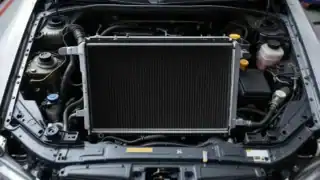
First, we inspect the cooling system visually, checking hoses for softness, cracking, or swelling, the radiator for damage or blockage, and the overflow reservoir for signs of contamination. We also check for any oily residue in the coolant, which can indicate a head gasket issue that needs to be addressed before a flush would do any lasting good.
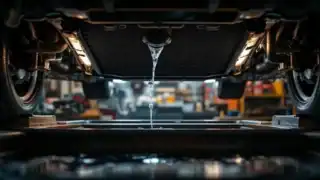
The flush itself involves flushing the system with water or a purpose-made flush solution to dislodge deposits and suspended particles, draining the old fluid completely, and then filling the system with fresh coolant to the correct mixture ratio. For Mazda vehicles, we use coolant that meets the manufacturer’s FL-22 specification where applicable. Mazda developed FL-22 as a long-life coolant for their newer models, and using the wrong fluid type or a generic coolant that doesn’t meet that spec can interfere with corrosion inhibitors and shorten the service interval significantly.
Once the system is filled, we bleed any air pockets from the circuit, top up the reservoir to the correct level, and run the engine to operating temperature to confirm the thermostat is opening correctly and the temperature gauge is behaving as it should.
Does This Affect My Mazda Warranty?
Having your Mazda’s cooling system serviced at an independent workshop like ours does not automatically affect your manufacturer’s warranty. Under Australian consumer law, you’re generally free to have your vehicle serviced by a qualified independent mechanic as long as the work is carried out to the required standard and the correct parts and fluids are used. We’d always recommend checking the specific terms of your warranty coverage if you have questions about your situation, but this is general information rather than legal advice.
What Affects the Cost of a Mazda Coolant Flush?
A few variables come into play when we’re working out what a flush will involve for your specific vehicle. The model matters, since a Mazda BT-50 with a larger cooling system needs more fluid than a Mazda2. The condition of the existing coolant also affects the process, because heavily contaminated systems may need a more thorough flush cycle. Whether your vehicle takes standard coolant or Mazda’s FL-22 long-life specification affects parts cost. And if the inspection turns up a worn hose, a leaking hose clamp, or a thermostat that’s already sticking, we’ll let you know before doing any additional work.
We give you a clear picture of what’s needed before anything gets started. No surprises on the invoice.
Servicing Mazda Vehicles in Gatton Without the Drive to Ipswich
Gatton Automotive Solutions is a full-service workshop handling everything from everyday Mazda passenger cars through to 4WDs, utes, trucks, and heavy equipment, all under one roof in the centre of Gatton. There’s no need to take half a day driving to Ipswich or Toowoomba for a service that we can handle here. We source parts ourselves, which keeps things moving, and for straightforward jobs we can often turn the car around the same day.
Our team works across all job sizes and all vehicle types, and we’re known locally for giving people straight answers rather than upselling work that isn’t needed. With five-star reviews from drivers across the Lockyer Valley, that reputation means something to us.
If your Mazda is due for a coolant flush or you’ve noticed any of the warning signs above, Call Us Now or Book Your Free Inspection online, and our Gatton team will take a look.