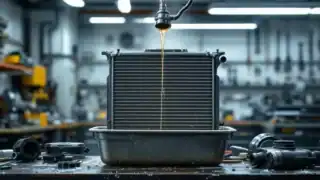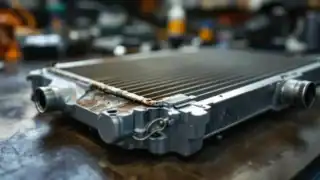
A Subaru cooling system flush is one of those services that tends to get pushed down the priority list until something goes wrong. The coolant circulating through your Subaru’s engine doesn’t last forever. Over time it becomes acidic, loses its ability to transfer heat effectively, and starts to corrode the metal and rubber components it was originally designed to protect. For Subaru owners in Gatton and across the Lockyer Valley, keeping the cooling system in good shape is especially important given the region’s warm summers and the hard work many of these vehicles put in day after day.
What Does a Cooling System Flush Actually Do?
Your Subaru’s cooling system circulates a mixture of coolant and water through the engine block, cylinder head, radiator, and heater core to regulate temperature. A flush removes the old coolant along with any built-up scale, rust particles, and degraded inhibitors, then refills the system with fresh coolant to the correct specification. It’s distinct from simply draining and refilling, because a proper flush pushes clean fluid through the entire circuit to dislodge deposits that a drain alone wouldn’t clear.
Subaru’s boxer engine layout, where the cylinders sit horizontally on either side of the crankblock rather than upright, creates a cooling system design that’s different from most other brands. The engine has a relatively flat profile, which means coolant must flow efficiently across a wider path. This geometry makes it especially important that the coolant retains its anti-corrosion properties, because any degradation can accelerate wear on the head gaskets, a component that Subaru four-cylinder engines are known to be sensitive to across a range of models.
Signs Your Subaru’s Coolant Needs Attention
There are a few signs worth paying attention to before problems become serious.
- Temperature gauge climbing higher than usual, particularly in slow traffic or on a long run up the range
- Sweet smell from the engine bay after driving, which can indicate coolant vapour escaping from a pressurised system
- Discoloured or murky coolant visible in the overflow reservoir, often orange-brown rather than the original green, blue, or pink
- Low coolant level that keeps dropping even without a visible leak under the vehicle
- Heater blowing cold when it should be warming the cabin, which can point to airlock or flow restriction in the system
- Rust-coloured residue around hose connections or the radiator cap
Subaru’s service schedule typically recommends coolant replacement at intervals that vary by model year and coolant type. Older models using green coolant generally need attention more frequently, while newer vehicles using long-life pink or blue coolant have extended intervals. If you’re unsure where your Subaru sits, we can check the manufacturer’s recommendation for your specific model and year.
How We Service the Cooling System on a Subaru
We start by inspecting the system before we drain anything. That means checking the coolant condition visually and with a test strip, pressure-testing the system to identify any slow leaks, and checking the radiator cap for proper sealing pressure. The radiator cap on a Subaru holds the system at a specific pressure to raise the coolant’s boiling point; a cap that’s lost its rating is a simple fix that makes a genuine difference to performance.
Once we’re satisfied the system structure is sound, we flush out the old coolant and circulate clean water through the circuit to remove residue. The system is then filled with fresh coolant mixed to the correct ratio for your Subaru’s specification. Different Subaru models call for different coolant types, and mixing them can cause gel formation that blocks passages. We source coolant to OEM-equivalent specification to avoid compatibility issues.
We also inspect the hoses, clamps, and thermostat housing while the system is open. Hoses that are soft, swollen, or cracked are worth replacing at the same visit rather than leaving them to fail separately.
What Affects How Long It Takes and What It Costs?
A straightforward Subaru coolant flush on a well-maintained vehicle is a relatively contained job. Cost and time vary depending on a few honest factors: the condition of the existing coolant and whether any hoses or the thermostat need attention at the same time, the coolant specification required for your model, and whether any pressure testing reveals an underlying leak that needs to be addressed first. We’ll let you know what we find before any additional work proceeds, so there are no surprises.
Servicing Subarus in Gatton Without the Drive to the City
We work on all makes and models here at Gatton Automotive Solutions, and Subarus are a regular sight in the workshop. Lockyer Valley roads, from the highway runs to the rougher rural tracks, suit Subaru’s all-wheel drive lineup well, which means these vehicles often cover serious kilometres between services. Keeping the cooling system maintained is a straightforward way to protect what’s usually a significant investment.
As a full-service workshop, we handle everything from the cooling system flush itself through to mechanical repairs, tyre fitting, suspension work, and roadworthy certificates, all in one place. There’s no need to drive to Ipswich or Toowoomba for general Subaru servicing. Our five-star reviews reflect how we work: honest advice, no unnecessary upselling, and fair pricing for every job.
If your Subaru is due for a coolant flush or you’ve noticed any of the signs above, Call Us Now or Book Your Free Inspection online. We’re right here in Gatton and ready to help.