A Jeep cooling system flush is one of those services that’s easy to put off until something goes wrong. Coolant — sometimes called antifreeze — doesn’t just keep your engine from overheating. It also prevents corrosion inside the cooling system, lubricates the water pump, and helps regulate temperature in cold starts. Over time, that coolant breaks down, becomes acidic, and starts attacking the very components it’s meant to protect. For Jeep owners in Gatton and across the Lockyer Valley, keeping the cooling system in good shape is especially relevant given the warm summers and the kind of driving that puts real load on an engine.
What Happens When Coolant Gets Old?
Fresh coolant has corrosion inhibitors that keep the inside of your engine, radiator, and hoses free from scale and rust. Once those inhibitors are depleted, the fluid turns acidic. You might not notice anything at first, but the damage builds quietly. Aluminium components in modern Jeep engines are particularly vulnerable to acid coolant — it causes pitting and erosion that’s expensive to repair.
Jeep models like the Grand Cherokee, Wrangler, Compass, and Cherokee use different coolant specifications across model years. Jeep’s OAT (Organic Acid Technology) coolant, used in many newer models, is designed for extended service intervals, but it still degrades. Mixing incompatible coolant types is a common mistake that accelerates breakdown and can cause gel-like deposits to form inside the cooling system, blocking flow and causing overheating.
Signs Your Jeep Cooling System Needs Attention
Some warning signs are obvious. Others are easy to miss until the situation becomes urgent. Bring your Jeep in if you notice any of the following:
- Temperature gauge running higher than normal, especially in slow traffic or on climbs
- Sweet or unusual smell from the engine bay or through the vents, which can indicate a coolant leak
- Coolant level dropping in the overflow reservoir between top-ups
- Rusty or discoloured coolant when you check the reservoir — healthy coolant is typically pink, green, or orange depending on the type, not brown
- White residue or staining around hose connections or the radiator cap
- Heater not producing enough warmth in winter, which can point to coolant flow issues or a failing thermostat
If your Jeep’s warning light has come on, or you’ve noticed the temperature creeping up after a long run on the Warrego Highway, don’t wait. Overheating even once can cause serious engine damage.
What We Do During a Jeep Coolant Flush in Gatton
We don’t just drain the old fluid and refill it. A proper Jeep coolant flush involves removing the degraded coolant, flushing the system to clear deposits and contaminants, then refilling with the correct coolant type for your specific model and year.
Our process includes:
- Checking the current coolant condition and concentration with a refractometer and test strips
- Inspecting hoses, clamps, and the radiator cap for signs of wear or deterioration
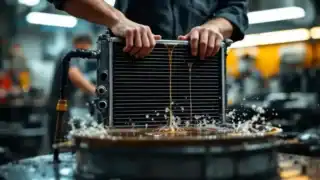
- Visually inspecting the radiator for blockages or external damage
- Flushing the system to remove old fluid and any sediment buildup
- Refilling with the correct OEM-spec coolant for your Jeep’s engine — we check the specification before we touch the system
- Bleeding the system to remove air pockets, which can cause localised hotspots and inaccurate temperature readings
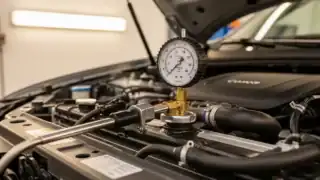
- Pressure-testing for leaks before handing the vehicle back
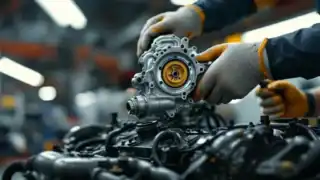
Jeep’s 3.6-litre Pentastar V6, common in the Grand Cherokee and Wrangler, has known sensitivity to cooling system maintenance intervals. Using the wrong coolant, or running degraded fluid too long, can accelerate thermostat housing wear and contribute to water pump issues. We account for those specifics when we service your vehicle.
What Affects the Time and Cost of a Coolant Flush?
The main variables are your Jeep’s engine type, whether the system has significant deposits that require a more thorough flush, and whether any components — hoses, clamps, thermostat, or radiator cap — need replacing at the same time. An older Jeep that’s covered a lot of kilometres may need more attention than one that’s been regularly maintained.
Using the right coolant matters too. Jeep specifies particular coolant formulations for different models and engine families. Using a generic or incorrect product can undermine the service entirely. We source the appropriate coolant for your vehicle rather than reaching for whatever’s on the shelf.
We’ll give you a clear picture of what’s involved before we start, with no surprises when you come to collect your vehicle.
Why Gatton Locals Bring Their Jeeps to Us
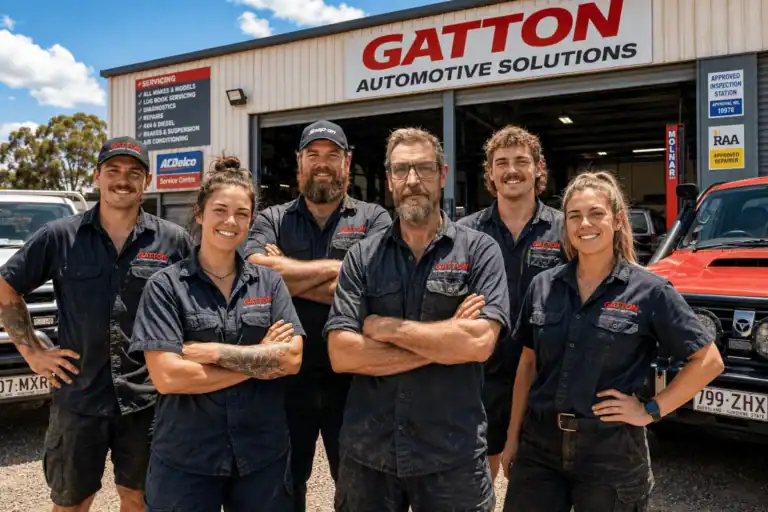
Gatton Automotive Solutions handles everything from everyday passenger vehicles to 4WDs, utes, trucks, and heavy equipment — all under one roof. There’s no need to drive to Ipswich or Toowoomba for a service that we can take care of locally. We handle parts sourcing in-house, which keeps things moving without you having to chase parts elsewhere.
With five-star reviews from local customers, we’ve built our reputation on straightforward advice and fair pricing. We don’t recommend work that isn’t needed, and we explain what we’ve found before we proceed. Whether you’re a daily driver, a tradie with a workhorse 4WD, or managing a small fleet, we treat every vehicle with the same care.
If your Jeep is due for a coolant flush or you’re not sure when it was last done, Call Us Now or use the online booking tool to Book Your Free Inspection at our Gatton workshop. We’ll take a look and let you know exactly where things stand.