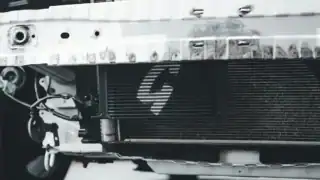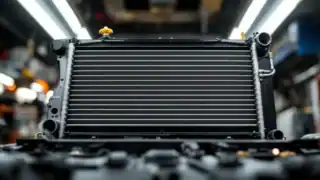
A BMW radiator repair isn’t something to sit on. The radiator is the heart of your BMW’s cooling system, and when it starts leaking or losing efficiency, the engine temperature can climb fast. BMW engines are precision-built to tight tolerances, and sustained overheating can cause serious internal damage. If you’re seeing coolant puddles under your car, the temperature gauge creeping up, or a sweet smell coming through the cabin, it’s worth getting a proper look sooner rather than later. We handle BMW radiator repair at our Gatton workshop, and we’ve seen what happens when these issues are left to run.
Warning Signs Your BMW Radiator Needs Attention
BMW owners often notice small signs before the problem becomes obvious. Catching them early usually means a simpler, less expensive repair. Here’s what to watch for:
- Coolant pooling under the car – often a reddish or greenish tint, sometimes with a slight sweet smell on warm tarmac
- Temperature gauge rising above normal – BMWs are sensitive to coolant pressure drops, and even a small leak can cause the gauge to behave erratically
- Low coolant warning light – the CBS (Condition Based Servicing) system on modern BMWs will flag this when the level drops below threshold
- Visible staining around the radiator – dried coolant leaves white or yellowish deposits, particularly around end tanks and fittings
- Steam from under the bonnet – this is a serious sign and means the vehicle should not be driven further
- Heater blowing cold air – if coolant level is critically low, the cabin heater loses heat output as well
Any one of these symptoms on its own warrants an inspection. Two or more together usually points directly to the radiator or a connected component like the expansion tank or a coolant hose.
What a BMW Radiator Repair Involves at Our Workshop
BMW cooling systems are more involved than many European owners expect. The radiators on the E-series, F-series, and newer G-series models typically use plastic end tanks bonded to an aluminium core. Over time, the tank seams crack, particularly on older high-mileage examples that have been through many heat cycles. This is one of the most common causes of BMW coolant leaks we see.
When a vehicle comes in for a BMW radiator repair service, we start with a cooling system pressure test. This involves pressurising the sealed system to the BMW-specified cap pressure and watching for decay. It’s a reliable way to confirm a leak is present and gives us an indication of where to look first. We also visually inspect the radiator core, end tanks, all hoses, the expansion tank, thermostat housing, and the coolant reservoir cap, since a faulty cap can cause pressure loss even when the radiator itself is sound.
For vehicles like the 3 Series, 5 Series, or X5, we check for signs of coolant contamination in the oil as well. BMW N-series and B-series engines can develop head gasket issues that mimic a radiator leak, and it’s important to rule that out before replacing the radiator. Getting the diagnosis right the first time saves money and prevents repeat visits.
Where the radiator itself has failed, we’ll discuss your options honestly. BMW OEM-spec radiators are available, and we can also source quality aftermarket units that meet OEM specifications. The right choice depends on the age of your vehicle, how long you plan to keep it, and your budget. We’ll tell you what we recommend and why, and then it’s your call.
What Affects the Cost and Time for a BMW Radiator Repair?
A few variables influence how straightforward the job is. The model year and engine configuration matter because later BMW models can have more components to remove to access the radiator. The 4-cylinder models are generally more accessible than the inline-six and V8 variants. Parts availability also plays a role – we source parts locally and through our supplier network, and most radiators for common BMW models can be obtained without long delays.
Whether the repair is an isolated radiator replacement or part of a broader coolant system overhaul affects time too. If the hoses, thermostat, or expansion tank are also showing signs of age, we’ll flag that when we inspect the vehicle. Doing related items at the same time, when labour overlap exists, is usually more cost-effective than returning for a second repair. We’ll always give you a clear picture before any work starts.
BMW Radiator Repair in Gatton – No Need to Drive to Ipswich or Toowoomba
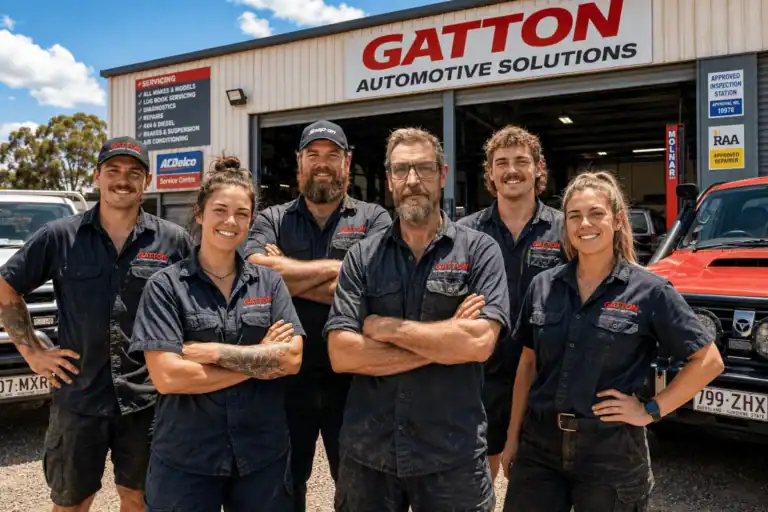
Gatton Automotive Solutions is a full-service workshop. We look after everything from everyday family cars and utes through to 4WDs, trucks, and heavy equipment, all in one place. For BMW owners in Gatton and across the Lockyer Valley, that means you don’t need to drive 45 minutes each way to a specialist workshop in Ipswich or Toowoomba for automotive radiator repair on your BMW. We handle the diagnostics, the parts sourcing, and the repair here. No referrals, no runaround.
We also back up what we say with five-star reviews from local customers who’ve trusted us with exactly this kind of work. Honest advice and straight pricing are what we’re built on. We don’t recommend work that isn’t needed, and we explain what we’re doing and why at every step.
If your BMW is running hot, leaking coolant, or you’ve seen any of the warning signs listed above, Book Your Free Inspection online or Call Us Now. We’ll take a look and give you a straight answer on what your car needs.