A Subaru radiator repair isn’t something most drivers think about until the temperature gauge starts climbing or steam appears from under the bonnet. Your radiator sits at the centre of the entire cooling system, keeping engine temperatures in a safe range by moving coolant through the engine block and dissipating heat through the front of the vehicle. When it cracks, corrodes, or starts leaking, the consequences can move from inconvenient to serious very quickly. At Gatton Automotive Solutions, we see cooling system problems across the full range of Subaru models, from everyday Foresters and Outbacks to older Liberty and Impreza wagons that have been working hard on regional roads.
Signs Your Subaru’s Radiator Needs Attention
Subaru cooling systems are generally well-engineered, but they aren’t immune to wear, impact damage, or the kind of gradual corrosion that builds up in older coolant. A few warning signs are worth taking seriously before the problem gets worse.
- Rising temperature gauge: Your temperature dial sits comfortably in the middle most of the time. If it’s creeping toward hot or spiking under load, the radiator may not be circulating coolant properly.
- Coolant loss without an obvious external leak: If you’re topping up the overflow bottle regularly but can’t see where the coolant is going, a slow internal or external radiator leak is a likely cause.
- Visible coolant pooling under the car: A bright green, pink, or orange puddle under the front of the vehicle is a clear indicator of a coolant leak. On Subarus, the radiator end tanks are a common failure point, particularly on higher-kilometre vehicles.
- Milky or discoloured oil: This can indicate a head gasket issue, which is a separate problem, but it’s worth noting because Subaru’s horizontally opposed (boxer) engine design makes cooling system faults sometimes harder to diagnose without the right familiarity with the platform.
- Sweet-smelling steam or fumes from the engine bay: Coolant has a distinct smell. If you notice it inside the cabin or from under the bonnet, get it checked promptly.
Any of these symptoms are worth acting on sooner rather than later. Overheating a Subaru boxer engine is a genuine risk to the head gaskets, and head gasket repairs on Subaru models carry a significantly higher cost than a radiator repair done early.
What a Subaru Radiator Repair Involves at Our Workshop
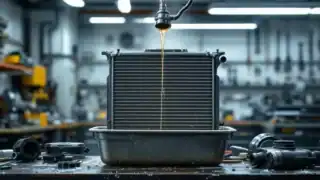
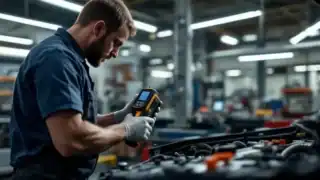
We start with a proper pressure test on the cooling system rather than a visual inspection alone. Many coolant leaks are only active when the system is under pressure, so this step matters. The pressure test involves sealing the system and applying a controlled amount of pressure to identify exactly where fluid is escaping.
On Subaru vehicles, we pay particular attention to the plastic end tanks on aluminium-core radiators, which are common across Forester, Outback, Legacy, and Impreza models. These tanks are bonded or crimped to the core and can develop cracks or seeps over time, especially once coolant has become acidic from age. We also inspect the radiator hoses, thermostat housing, coolant reservoir, and the condition of the coolant itself, as degraded coolant accelerates internal corrosion.
Depending on what we find, the repair may involve resealing a minor leak, replacing a cracked end tank, or fitting a new radiator core. For Subaru’s all-wheel-drive vehicles, we also check the transmission oil cooler lines where they connect to the radiator, since an internal failure here can allow gearbox fluid to mix with coolant, which causes problems in both systems at once.
Once repairs are complete, we refill the system with coolant meeting Subaru’s specifications, bleed any air from the system, and run the engine to confirm the repair is holding and the temperature gauge is behaving normally. We don’t hand a car back until the system has been properly tested under operating temperature.
What Affects the Cost and Time for Subaru Coolant Leak Repair
The honest answer is that it depends on what we find. A minor end-tank seal or a simple radiator hose replacement is a straightforward job. A full radiator replacement takes longer, and the cost will vary based on whether the right parts for your specific Subaru model are available locally or need to be sourced. We source parts on your behalf and keep you informed before any work is authorised. We’ll use genuine-equivalent or OEM-spec parts that meet Subaru’s requirements, because fitting the wrong radiator to an AWD Subaru with an integrated transmission cooler circuit is a shortcut that causes bigger problems down the track.
If additional issues are found during the inspection, such as a failing thermostat, a compromised water pump, or degraded hoses, we’ll let you know clearly what’s needed and what can wait. No unnecessary work gets done without your say-so.
Subaru Radiator Repair in Gatton: No Need to Travel
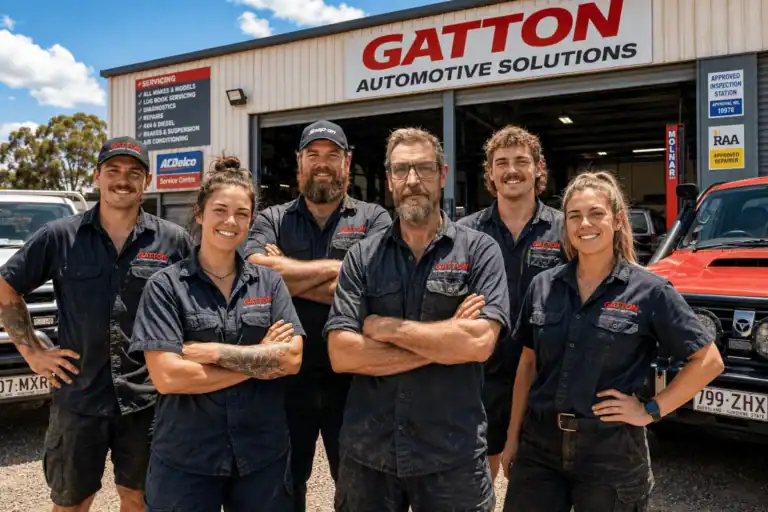
Driving 45 to 80 kilometres to Ipswich or Toowoomba for a cooling system repair is a long way, particularly if your Subaru is running hot. Gatton Automotive Solutions handles Subaru radiator repairs right here in Gatton, with the parts sourcing, diagnostic equipment, and experience with boxer-engine platforms to do the job properly. We’re a full-service workshop covering cars, 4WDs, trucks, and heavy equipment, so whether you’re bringing in a family Outback or a dual-cab ute from the farm, we can look after it. Our reputation in the Lockyer Valley is built on giving people straight advice and doing what needs to be done without padding the bill.
If your Subaru is showing any signs of a coolant leak or overheating, Book Your Free Inspection online or Call Us Now to talk through what you’re seeing. Catching a radiator issue early is almost always cheaper than dealing with what comes after.