Your brakes are the single most important safety system on your Toyota, and when they start showing signs of wear, getting them checked promptly isn’t optional. Toyota brake replacement covers everything from worn brake pads and scored rotors through to brake drum and shoe servicing on older models and rear drum setups. At Gatton Automotive Solutions, we handle the full range of Toyota brake work in-house, so drivers across Gatton and the Lockyer Valley don’t need to head to Ipswich or Toowoomba to get it done properly.
Warning Signs Your Toyota Brakes Need Attention
Toyota vehicles are generally well-engineered, but brake wear is unavoidable. How quickly your pads and rotors wear depends on your driving style, how much load you carry, and whether you’re doing mostly highway kilometres or stop-start town driving. Knowing what to listen and feel for makes a real difference to catching problems before they become expensive.
- Squealing or squeaking when braking: Most Toyota brake pads include a wear indicator, a small metal tab that contacts the rotor when the pad gets low and produces a high-pitched squeal as a warning.
- Grinding noise during braking: Once the pad material is fully worn, metal contacts metal directly against the rotor. This damages the rotor surface quickly and can significantly increase your repair bill.
- Pulling to one side under braking: This can point to a seized calliper, uneven pad wear, or a brake hose issue, any of which needs attention before it affects vehicle control.
- Longer stopping distances: If your Toyota is taking more road to slow down than it used to, the pads may be glazed, contaminated, or simply at the end of their service life.
- Pulsing or vibration through the brake pedal: This usually indicates rotor warping or uneven rotor thickness, technically called disc thickness variation. It’s common in vehicles that have done a lot of towing or repeated heavy braking.
- Brake warning light illuminated: Some Toyota models use a sensor-based pad wear indicator. If the warning light appears on your dash, don’t ignore it.
How We Inspect and Replace Toyota Brakes
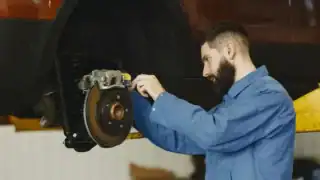
We start with a proper inspection before any work is quoted or carried out. That means pulling the wheels off and measuring what’s actually there, not just a visual estimate through the wheel spokes.
For front brakes, we measure pad thickness and rotor depth against Toyota’s minimum specifications. Toyota rotors have a minimum thickness stamped or cast into them, and if the rotor is at or below that figure, it needs replacing rather than machining. We also check calliper operation, brake hose condition, and whether the rotor surface has scoring or heat marks that would affect braking performance even with new pads fitted.
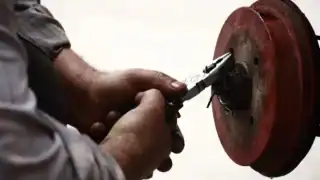
On models with rear drum brakes, including many HiLux configurations and older Corollas and Camrys, we inspect the brake drum diameter, shoe thickness, wheel cylinder condition, and the self-adjuster mechanism. Toyota rear brake drum replacements are often overlooked because they’re out of sight, but worn shoes or a sticking wheel cylinder can cause rear brake fade and uneven stopping.
Where replacement is needed, we source parts that meet Toyota’s OEM specifications. For most Toyota models, this means selecting pads with the correct friction compound for the vehicle’s weight class and braking characteristics. A LandCruiser 200 Series has very different brake requirements to a Corolla hatchback, and we match parts accordingly rather than fitting a generic pad across the board.
Toyota Logbook Servicing and Brake Inspections
Toyota’s recommended service schedule includes a brake inspection at each logbook service interval. If your Toyota is serviced here and we flag brake wear, we’ll show you exactly what we found and give you a straight assessment of how urgent the work is. We don’t push unnecessary repairs, and we won’t recommend a full brake replacement if only one axle needs attention.
What Affects the Cost of Toyota Brake Replacement?
Several factors influence what a brake job will cost on your Toyota. The main variables are which axle needs work, whether the rotors need replacing alongside the pads, and whether your vehicle uses a standard disc setup or a more complex arrangement like an electric parking brake calliper on some newer models.
Genuine Toyota parts sit at a higher price point than quality aftermarket equivalents. We’ll talk you through both options if they apply to your vehicle, so you can make an informed call. For most passenger vehicles, quality aftermarket parts perform well and represent good value. For heavy-use vehicles like the HiLux or Prado that see genuine off-road or towing work, it’s worth a conversation about which specification suits your usage.
Getting Toyota Brake Repairs Done in Gatton
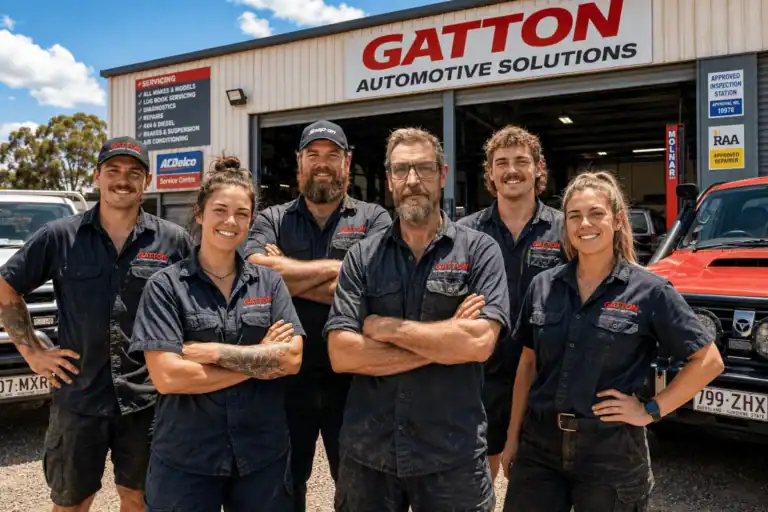
Gatton Automotive Solutions is a full-service workshop covering cars, 4WDs, utes, trucks, and heavy equipment. We handle brake work alongside everything else your Toyota might need, including logbook servicing, suspension, tyres, roadworthy certificates, and parts sourcing. If your vehicle needs more than one thing attended to, we can often work through it in a single visit rather than sending you back multiple times.
We’re locally owned and operated right here in Gatton, with five-star reviews from drivers across the Lockyer Valley. Our pricing is honest and straightforward. You’ll know what the job involves and what it costs before we start.
If your Toyota’s brakes are due for inspection or you’ve noticed any of the symptoms above, Call Us Now or Book Your Free Inspection online. We’re here to help Gatton and Lockyer Valley drivers stay safe on the road.