Your Jeep’s brakes are doing serious work. Whether you’re driving a Wrangler across rougher terrain outside Gatton, a Grand Cherokee loaded up for a family trip, or a Compass handling daily commutes through the Lockyer Valley, Jeep brake replacement isn’t something to put off. Brake components wear down over time, and catching the signs early means the difference between a straightforward pad swap and a more involved repair involving rotors or drums.
Warning Signs Your Jeep Needs Brake Work
Jeep owners often come to us after noticing something that feels slightly off. The tricky part is that brake wear can be gradual enough that you adjust to it without realising how far things have deteriorated. Here are the signs worth taking seriously:
- Squealing or squeaking when you apply the brakes, particularly in the morning or after the vehicle has been parked overnight
- Grinding or metal-on-metal noise under braking, which usually means the pad material has worn through and the backing plate is contacting the rotor
- A pulsing or vibrating brake pedal, often caused by warped rotors, which is common in heavier Jeep models that carry significant load or tow regularly
- The vehicle pulling to one side when braking, suggesting uneven wear or a sticking calliper
- A soft or spongy pedal that travels further than usual before braking takes effect
- The brake warning light appearing on the dashboard, which on Jeep models can indicate pad wear sensors have been triggered
If your Jeep has a brake pad wear indicator, it will activate a warning light before the pads reach a dangerous level. But not every wear pattern is that cooperative. Having brakes inspected at the first sign of any symptom is always the right call.
What Happens During a Jeep Brake Replacement at Our Workshop
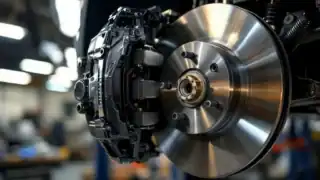
We start with a thorough inspection before any parts are replaced. That means pulling each wheel and measuring rotor thickness, checking for scoring or heat warping, inspecting calliper condition and slide pin movement, and assessing the brake fluid. On Jeep models, we pay particular attention to the rear brakes, since many Grand Cherokee and Commander variants use a combination of disc brakes at the front and a drum-in-hat setup at the rear, where the parking brake mechanism is integrated into the rear rotor. This design means rear brake shoe replacement requires a different process than a standard rear disc job, and it’s easy to miss brake shoe wear if the drum component isn’t specifically checked.
For Wrangler owners who use their vehicle off-road, we also look for mud packing around the callipers and rotors, which can cause uneven wear and accelerated corrosion. Jeep’s original brake dust shields are prone to collecting debris in off-road conditions, and this can affect how evenly the brakes cool between uses.
Once we understand what actually needs doing, we’ll walk you through it before starting any work. The job might involve replacing front or rear brake pads, fitting new rotors where they’ve worn below minimum thickness or are showing heat damage, or replacing rear brake shoes and drums on older Jeep models. We source parts to OEM specification or quality-equivalent aftermarket parts suited to the vehicle’s use, whether that’s a daily driver Jeep Cherokee or a Wrangler that sees real work on weekends.
What Affects the Cost and Timing of Jeep Brake Work
A few things influence what a brake replacement involves on a Jeep specifically. Larger models like the Grand Cherokee and Gladiator use bigger brake assemblies than smaller variants, which affects parts cost. If rotors need replacing alongside pads, the job is naturally more involved than a pad change alone. Rear drum components on older Jeep models, including springs, adjuster hardware, and brake shoes, may need full replacement if they’ve corroded or haven’t been serviced in a long time.
Parts availability for Jeep vehicles has improved significantly in regional areas, but some specific components may need to be sourced and ordered. We handle parts sourcing in-house, so you don’t need to track anything down yourself. We’ll give you a clear outline of what’s needed and what it involves before we start, with no additions along the way that weren’t discussed upfront.
Why Gatton Drivers Bring Their Jeeps to Us
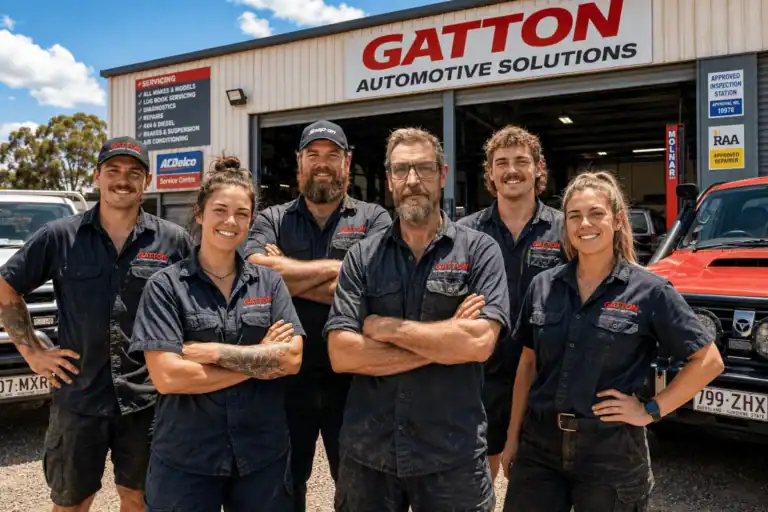
Gatton Automotive Solutions is a full-service workshop handling everything from everyday passenger cars through to 4WDs, trucks, and heavy equipment. You won’t need to drive 45 to 80 kilometres to Ipswich or Toowoomba for brake work that we can handle right here in Gatton. We issue roadworthy certificates on-site, which matters if your Jeep’s brake condition has reached a point where a safety check is required. Our five-star reviews reflect the kind of service regional drivers actually want: honest advice, fair pricing, and no unnecessary work added to the bill.
For Jeep owners in Gatton, Laidley, Plainland, Forest Hill, and the broader Lockyer Valley, we’re the practical choice for brake replacement and brake repairs without the travel, the dealership pricing, or the delay.
If your Jeep is showing any of the signs above, or if it’s simply been a while since the brakes were checked, Call Us Now or Book Your Free Inspection online today. We’ll tell you exactly what’s needed to get your Jeep braking safely again.