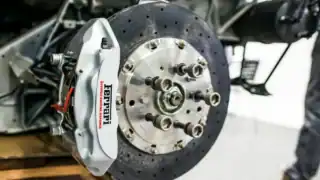
Audi brake replacement is one of the most critical maintenance tasks you’ll face as an Audi owner. Your brakes are the system that keeps you, your passengers, and everyone else on the road safe. Unlike routine servicing, brake work cannot wait. When your Audi’s brakes start to wear, replacing the pads, rotors, or other brake components becomes urgent — not optional. At Gatton Automotive Solutions, we understand that Audi brakes demand precision, and we handle every replacement with the care your vehicle deserves.
Warning Signs Your Audi Needs Brake Work
Recognising when your brakes need attention can prevent dangerous situations and costly damage. Several clear warning signs tell you it’s time to book in for inspection and replacement.
- Grinding or metallic squealing noises when braking, especially if the sound persists after gentle braking
- A soft or spongy brake pedal that requires more pressure than usual
- The brake warning light illuminated on your dashboard
- Reduced stopping power or longer braking distances
- Vibration or pulsing through the brake pedal when slowing down
- A burning smell from the wheels after hard braking
- Visible brake pads thin enough to see through wheel rims
Audi vehicles, particularly models like the A3, A4, A6, and Q5, tend to wear brake pads evenly when maintained properly. However, aggressive driving habits, frequent towing, or driving in heavy traffic can accelerate pad wear. In the Gatton area and across the Lockyer Valley, stop-and-start driving through town traffic or longer highway journeys can increase brake wear faster than gentle use. If you’ve noticed any of these symptoms, don’t delay. A professional brake inspection identifies exactly what needs replacement before safety becomes compromised.
What Happens During Audi Brake Replacement
Audi brake systems are engineered to exacting standards, and replacement work must follow the same precision. When you bring your Audi in, our approach is thorough and transparent.
Inspection and Diagnosis
We start by inspecting every component of your brake system. This includes measuring pad thickness, checking rotor condition for scoring or warping, examining brake fluid quality, and testing caliper operation. Audi vehicles often use larger rotors and multi-piston calipers on higher-spec models, so we assess whether rotors need machining or full replacement. We also check your brake fluid to ensure it’s fresh and uncontaminated — old fluid absorbs moisture and loses effectiveness, which is especially important in Audi’s advanced brake systems.
Replacement Process
If replacement is needed, we source Audi-spec or equivalent quality parts that meet or exceed OEM standards. We remove the wheels, unfit the existing pads and rotors, clean the caliper hardware, fit new components to factory tolerances, and bed in the new pads with controlled braking cycles. This bedding-in process is critical — it ensures even contact and prevents noise and inconsistent braking.
System Testing
Before you drive away, we test brake performance both on the lift and during a short road test. We confirm that pedal feel is firm, stopping power is even, and no warning lights remain on your dashboard. You’ll leave knowing your Audi’s brakes are restored to their intended safety standard.
What Affects Cost and Turnaround Time
Brake replacement cost and time vary based on several factors specific to your vehicle and its condition.
Parts availability: Most Audi brake pads and rotors are readily available locally or can be sourced quickly. Our workshop handles parts sourcing, so you don’t have to chase suppliers or worry about delays. OEM Audi parts cost more than aftermarket equivalents, but they guarantee exact fit and performance alignment with your vehicle’s ABS and electronic brake systems.
Damage extent: Simple pad replacement is faster than work that includes rotor replacement, caliper service, or brake line repair. A single axle takes less time than full four-wheel replacement. Our inspection confirms what actually needs work before we start, so there’s no guesswork about cost or duration.
Vehicle type: Audi SUVs like the Q3, Q5, and Q7 often carry more weight and wear brakes harder than sedans. Their larger brake systems may require more time to service. We factor this into our planning so your vehicle isn’t rushed.
Fluid and ancillary work: If your brake fluid needs replacement as part of the job, or if brake hoses show wear, we’ll flag this during inspection and discuss it with you before proceeding. We never carry out work without your agreement.
Why Choose Gatton Automotive Solutions for Your Audi Brake Replacement
You don’t need to travel to Ipswich or Toowoomba for quality Audi brake work. Gatton Automotive Solutions is a full-service workshop that handles everything from routine maintenance to complex repairs for all vehicle types — cars, 4WDs, trucks, and heavy equipment. For Audi owners in Gatton and the surrounding Lockyer Valley, we’re convenient, honest, and direct.
We diagnose brake issues correctly and explain exactly what needs to be done and why. No upselling, no unnecessary parts replacement. Our straight pricing means you know what you’re paying for before we start. We source Audi-spec parts and handle the complete replacement in-house, so there’s no need to juggle multiple suppliers or wait for work to be completed elsewhere. Whether your Audi is a daily driver or a weekend car, we treat it with the same professional care.
Our workshop is locally owned and operated. We’re part of the Gatton community, and our reputation is built on doing the job right and treating people fairly — every time.
Get Your Audi’s Brakes Inspected Today
Brake safety is not something to delay. If you’ve noticed any warning signs, or if it’s simply time for a brake check, call us now or book your free inspection online. We’ll assess your Audi’s brake condition, explain what you need, and get you back on the road safely.