Your brakes are the single most important safety system on your Ford. Whether you drive a Ranger ute across the Lockyer Valley, a Falcon on the daily commute, or an Escape doing school runs around Gatton, worn brakes put you and everyone around you at risk. Ford brake replacement is one of the most common services we carry out, and getting it right means more than just swapping parts. It means understanding how your specific Ford is built, what components it uses, and what the manufacturer expects at each service interval.
Warning Signs Your Ford Brakes Need Attention
Ford vehicles give you clear signals when the braking system needs work. The trick is knowing what to listen and look for before a small job becomes a big one.
- Squealing or squeaking when you brake: Most Ford brake pads include a built-in wear indicator that produces a high-pitched squeal when the pad material gets low. This is your first warning.
- Grinding or metal-on-metal sound: If the squealing has progressed to grinding, the pads are likely worn through and the caliper or backing plate is contacting the rotor. This causes rotor damage quickly.
- Pulling to one side under braking: This can indicate a sticking caliper, uneven pad wear, or a seized slide pin. Common in older Ford Rangers and Territory models.
- A pulsing or vibrating brake pedal: Often a sign of warped rotors. Rotors can distort from repeated heavy braking or heat cycling, especially on loaded Ranger utes or towing vehicles.
- A soft or spongy pedal: This points toward the hydraulic side of the system. Air in the brake lines or a fluid leak needs to be checked immediately.
- Your brake warning light is on: Ford’s brake system monitoring will flag low pad material on many models. Don’t dismiss it.
If you’re noticing any of these symptoms, don’t put it off. Brakes don’t improve on their own.
How We Approach Ford Brake Replacement
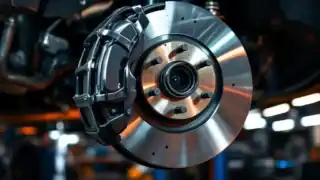
We start with a proper inspection before recommending any parts. That means pulling the wheels, measuring pad thickness, checking rotor wear and surface condition, inspecting calipers for seizing or fluid leaks, and assessing brake hose condition. On Ford Rangers in particular, rear drum brakes are still common on older two-wheel-drive variants, so we check whether your vehicle uses disc brakes or drums at the rear before quoting any work.
Front and Rear Brake Pad Replacement
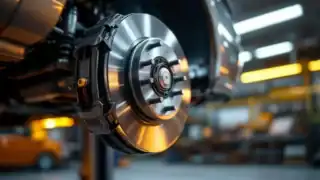
Ford brake pad replacement uses OEM-specification or quality equivalent parts matched to your vehicle’s weight rating and braking performance. A Ranger towing a trailer has different braking demands than an EcoSport in town traffic. We fit pads to suit the actual use of the vehicle, not just the cheapest available option. Once fitted, we bed the pads in correctly and check pedal feel before the vehicle leaves.
Rotor Replacement and Rear Brake Shoe Replacement
Ford brake rotors replacement is often recommended alongside pad changes when rotors are below minimum thickness or show significant scoring. Fitting new pads to worn rotors shortens pad life and reduces stopping power. For older Ford models using rear drums, Ford brake shoe replacement follows a similar principle: we measure drum wear, check the wheel cylinder for leaks, and replace the hardware kit along with the shoes to restore proper self-adjustment.
Ford-Specific Considerations
Certain Ford models have known brake characteristics worth knowing about. The Ranger and Everest on 2012-onwards platforms can develop sticking rear calipers, particularly in vehicles used on unsealed roads where dust and moisture accelerate corrosion on the caliper slide pins. The Focus and Fiesta use a rear drum or disc setup depending on the variant and year. Territory AWD models have larger rear disc setups that can sometimes be overlooked during routine services. We check the full system, not just the obvious wear items.
What Affects the Cost of Ford Brake Work?
A few variables determine how straightforward or involved a brake job will be. The main ones are whether you need pads only, rotors and pads together, or a more involved repair involving calipers or brake lines. Parts availability matters too: common Ford Ranger and Falcon components are generally well-stocked, while some older or less common models may require ordering. Whether you choose OEM-equivalent parts or genuine Ford components also affects pricing. We’ll walk you through the options honestly and tell you what’s actually needed rather than recommending more than the situation calls for.
Ford Brake Services in Gatton, Without the Drive to Ipswich or Toowoomba
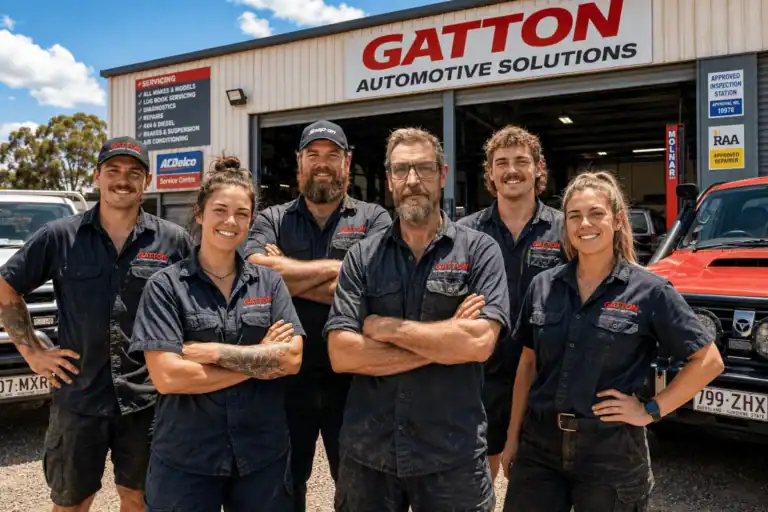
Gatton Automotive Solutions handles everything from routine Ford brake pad changes through to full caliper and rotor replacements, rear drum brake servicing, and brake fluid flushes. We work on all Ford models including Rangers, Falcons, Territories, Focuses, Transits, and more. If your Ford is a work ute, a family wagon, or a fleet vehicle, we’ve seen it. Our workshop handles cars, 4WDs, and commercial vehicles under one roof, so there’s no job we’ll send you elsewhere for. With five-star reviews from local Gatton drivers, you can trust you’re getting straight advice and a job done properly. We also issue roadworthy certificates on-site, handle tyre supply and fitting, and can take care of suspension work in the same visit if needed.
If your Ford’s brakes are due for inspection or you’ve noticed any of the warning signs above, Book Your Free Inspection online or Call Us Now. We’re right here in Gatton, ready to get your brakes sorted.