Limited Time: Free Windscreen Wipers With Any Service. Subject To Availability.

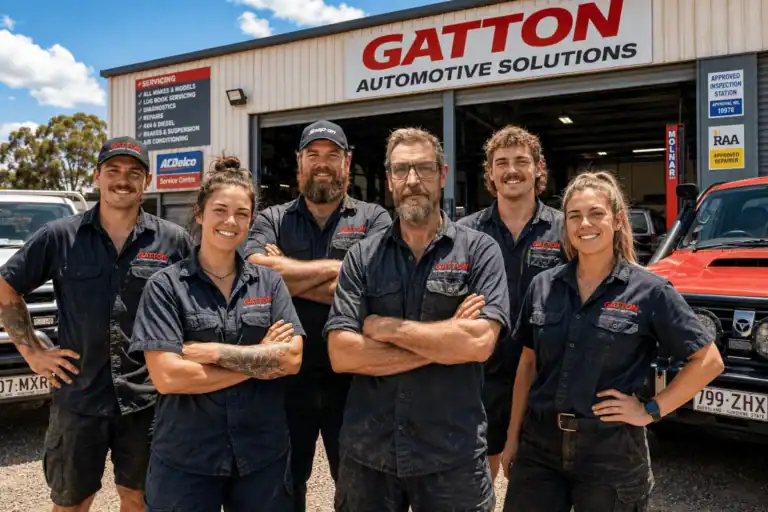
Locally Owned & Operated
Honest Upfront Pricing
5★ Reviews
All Makes & Models

Verified 5★ Reviews

Dependable Japanese Vehicles Brake Replacement In Gatton

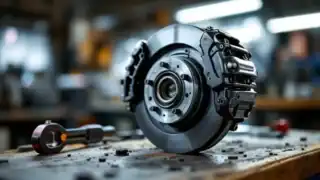
We replace brake pads and rotors on Japanese vehicles in Gatton using quality parts matched to your car's specs. A safety inspection is included before you leave.

One-Stop Workshop

Honest Advice

5★ Reviews

Japanese Brake Specialists

Book Your Free Inspection

Tell us what you need and we'll get back to you with a clear quote.

Booking Form
  • Vehicle Details
  • Confirm Vehicle
  • Services
  • Contact Details
Honest Quotes
All Vehicle Types
Local & Reliable

Why Book With Us

Book Your Free Inspection
Drop Off Your Vehicle
We Get to Work
Collect Your Car

Japanese vehicles have earned a strong following across the Lockyer Valley for good reason. Toyotas, Hondas, Mazda utes, Subarus, Mitsubishis, Nissans — they’re dependable, they hold their value, and they handle the mix of highway driving and rough back roads that comes with life in this part of Queensland. But even the most reliable car on the road needs its brakes looked after. Japanese Vehicles brake replacement is one of the most common jobs we handle at Gatton Automotive Solutions, and it’s one where getting the details right really matters.

Warning Signs Your Japanese Vehicle’s Brakes Need Attention

Brake issues rarely appear without warning. The trick is knowing what to listen and feel for before the problem becomes serious. Japanese vehicles often use brake wear indicators built into the pad itself – a small metal tab that produces a high-pitched squeal when the friction material is running low. That sound is the car telling you it’s time.

Other signs worth taking seriously include:

  • A grinding or metallic scraping noise when braking – this typically means the pads are worn through and the metal backing is contacting the rotor directly
  • A soft or spongy brake pedal that travels further than usual before the car slows down
  • Pulling to one side under braking, which can indicate uneven pad wear or a sticking caliper
  • Vibration through the pedal or steering wheel when you apply the brakes, often a sign of warped or unevenly worn rotors
  • A burning smell after driving, especially in stop-start traffic, which can point to a dragging caliper

If you’re noticing any of these on your Toyota, Mazda, Subaru, or other Japanese vehicle, don’t put it off. Brakes are safety-critical, and worn components don’t just affect stopping distance – they can damage more expensive parts like rotors and calipers if left too long.

What We Check and Replace During a Japanese Vehicle Brake Service

We don’t start pulling parts off the car before we understand what’s actually going on. The job starts with a proper visual inspection of the full brake system – front and rear, pads, rotors (or brake drums on rear drum setups), brake calipers, brake lines, and the handbrake mechanism.

Many popular Japanese models use rear drum brakes rather than disc brakes at the back. Mazda BT-50s, older Hiluxes, Mitsubishi Tritons, and various Nissan models fall into this category. Brake shoe replacement on a rear drum setup is a different job to swapping disc pads, and it requires accurate measurement of the drum surface to confirm it’s within spec. We assess each vehicle on its own terms rather than applying a one-size-fits-all approach.

For disc brake jobs, we measure rotor thickness and check for lateral runout – a slight wobble in the rotor that causes pedal pulsation. If a rotor can be machined back within manufacturer tolerance, we’ll tell you. If it’s below minimum thickness, replacement is the safer call. We’ll explain what we find before any work starts.

Parts used are selected to match OEM specifications for the vehicle. Japanese manufacturers tend to have specific pad compound requirements – particularly Subaru models with their all-wheel-drive systems, where brake balance front-to-rear matters more than it does on a conventional two-wheel-drive car. Using pads that aren’t matched to the vehicle’s design can affect braking feel and wear rates, so we take that seriously.

How Long Does Brake Replacement Take in Gatton?

A straightforward front brake pad and rotor replacement on a typical Japanese passenger car is generally completed in a single visit, and many customers wait while we work. More involved jobs – rear drum brake shoe replacement, a full four-wheel brake service, or work that uncovers a seized caliper or damaged brake line – will take longer. We’ll give you an honest read on timing once we’ve had a look at the vehicle.

What Affects the Cost of Replacing Brakes on a Japanese Vehicle?

A few things influence what you’ll pay. The main variables are:

  • Whether you need pads only, or pads and rotors together
  • Front disc brakes versus rear drum brake shoe replacement
  • Whether calipers need to be freed, rebuilt, or replaced
  • The specific make and model – parts pricing varies across Japanese brands and generations
  • OEM-spec versus quality aftermarket parts (we’ll discuss options with you)

We don’t add on work that isn’t needed. If your rotors have life left in them, we’ll say so. If the rear drums are fine, we won’t replace them. Straight advice is what you’ll get.

Why Gatton Drivers Trust Us With Their Japanese Vehicles

Gatton Automotive Solutions is a full-service workshop handling everything from daily passenger cars to 4WDs, utes, trucks, and heavy equipment. You don’t need to drive to Ipswich or Toowoomba to get quality brake work done on your Toyota, Mazda, Subaru, or Mitsubishi – we have the equipment, the parts sourcing, and the experience right here in Gatton.

We also issue roadworthy certificates on-site, which matters if your vehicle’s rego is coming up or you’re preparing a car for sale. With five-star reviews from local drivers, we’ve built a reputation for honest work and fair pricing in the Lockyer Valley.

If your Japanese vehicle’s brakes are due for inspection or replacement, Book Your Free Inspection online or Call Us Now – the team at Gatton Automotive Solutions will sort it out properly.
Other Services

Whatever your needs we have you covered, see some similar services below or click "See All Services" to explore our full service offering.

Your Local Workshop for Every Vehicle

Gatton Automotive Solutions is the one-stop shop for cars, 4WDs, trucks, and heavy equipment. Honest advice and fair pricing, right here in Gatton.

Honest Pricing, No Surprises

We tell you what’s needed and what it costs before we start. No upselling, no pressure.

Everything Under One Roof

Bring your car in and we’ll inspect it, explain what we find, and quote you upfront.

Japanese Vehicle Brake Expertise

We know Japanese brake systems inside out, from Toyota to Nissan to Mazda and beyond.

How Japanese Brake Replacement Works

From booking to collection, here's how we handle your Japanese vehicle brake replacement professionally and efficiently.

Step 1

Book Your Free Inspection

Call Us Now or Book Your Free Inspection to identify brake wear and safety issues on your Japanese vehicle.

Step 2

Brake System Assessment

We measure pad thickness, inspect rotors for damage, and test brake feel using Japanese-spec diagnostics.

Step 3

Precision Brake Replacement

We fit quality pads and rotors, bleed the system, and verify stopping power meets manufacturer standards.

Step 4

Quality Check & Collection

We test-drive your vehicle, confirm brakes perform safely, and hand back your car ready to drive.

Five-Star Rated

Verified 5★ Reviews

Quality Parts From Trusted Suppliers

We use genuine and quality aftermarket parts from reputable suppliers. You get reliable components backed by proper warranties.

Book Your Free Inspection

Tell us what you need and we'll get back to you with a clear quote.

Booking Form
  • Vehicle Details
  • Confirm Vehicle
  • Services
  • Contact Details
Honest Quotes
All Vehicle Types
Local & Reliable

Why Book With Us

Book Your Free Inspection
Drop Off Your Vehicle
We Get to Work
Collect Your Car

Frequently Asked Questions

Browse answers to common questions about our services. Can't find what you're after? Give us a call and we'll help.

The most common signs are a squealing or grinding noise when you apply the brakes, a longer stopping distance than usual, or a pulsing sensation through the brake pedal. Some Japanese vehicles also have brake wear indicators that trigger a dashboard warning light. If you notice your car pulling to one side under braking, or if the pedal feels soft or spongy, those are signals worth acting on quickly. Getting it looked at sooner rather than later prevents damage to rotors and other components.

No. Once brake pads wear past their minimum thickness, stopping distance increases significantly and you risk metal-on-metal contact between the pad backing plate and the rotor. That contact can score or warp the rotor, turning a straightforward pad replacement into a more involved job. Brakes are the most critical safety system on your vehicle. If you are hearing grinding or noticing any change in braking feel, have them inspected before your next long drive.

Several factors influence the overall price. The type of vehicle matters because pad and rotor sizes vary across models and drivetrains. Whether you need pads only or pads and rotors together changes the parts cost. The quality of replacement parts also plays a role, with OEM-equivalent parts for Japanese makes generally offering a good balance of performance and value. Labour time can vary too, particularly on vehicles where rear brake components are more complex to access. We will give you a clear quote before any work starts.

For most Japanese cars and SUVs, a full brake service on both axles typically takes between one and two hours. If we are only replacing pads on a single axle and the rotors are in good condition, it is often quicker. More involved jobs, like rear drum brake replacements or vehicles with integrated parking brake mechanisms in the rear calliper, can take a bit longer. We offer fast while-you-wait servicing for many brake jobs at our Gatton workshop, so you are not left without a car for the day.

A few patterns come up regularly. Toyota LandCruisers and HiLuxes used in tough or towing conditions wear rear brake shoes faster than the fronts, which can catch owners off guard if they are only monitoring pad wear. Some older Honda CR-Vs and Civics develop corrosion around the rear calliper slide pins, causing uneven pad wear on one side. Subaru models with all-wheel drive sometimes show premature rotor warping under repeated hard braking. Knowing the quirks of the make means we can check the right things, not just the obvious ones.

Under ACCC guidance, Australian consumer law generally does not require you to have your vehicle serviced exclusively at a dealership to maintain your new car warranty, provided the work is carried out by a qualified mechanic using appropriate parts and procedures. This is general information only, not legal advice, and we would encourage you to review the specific terms of your warranty if you are uncertain. Independent brake replacement that follows the manufacturer’s specifications should not void your warranty coverage.

We start by inspecting the full braking system, including pads, rotors or drums, callipers, brake lines, and fluid condition. Once we have confirmed what needs replacing, we remove the wheel and calliper, fit new pads and resurface or replace the rotor if needed, then reassemble and torque everything to spec. After that, we bed the brakes in correctly and test the vehicle before it leaves the workshop. We will also let you know if anything else in the system needs attention so there are no surprises down the track.

There is no single answer because it depends heavily on driving style, vehicle weight, and the type of driving you do. City driving with frequent stopping wears pads faster than highway travel. As a general guide, many passenger vehicles need pad replacement somewhere between 40,000 and 70,000 kilometres, but that can vary considerably. Utes and SUVs used for towing or carrying loads tend to wear brakes faster. Having your brakes checked at each service interval is the simplest way to stay on top of it.

We use quality OEM-equivalent parts that meet or exceed the manufacturer’s specifications for Japanese makes. For most owners, these parts perform just as well as dealer-supplied genuine parts at a more accessible price. If you have a specific preference for genuine parts, let us know when you book and we will discuss what is available. We source parts for Toyota, Honda, Mazda, Subaru, Mitsubishi, Nissan, and other Japanese makes, and we will not fit anything we would not put on our own vehicles.

Yes. Drum brakes are still common on the rear axle of many older Japanese models and on some current light commercial vehicles. The process involves removing the drum, inspecting the brake shoes, wheel cylinder, springs, and hardware, and replacing worn components. Drum brakes often get less attention than disc brakes, but they are just as important for overall stopping performance. If your vehicle has rear drums and they have not been serviced recently, it is worth having them checked, especially if you are driving in and around the Lockyer Valley where country road stops can be sudden.

Continue to site