American vehicles brake replacement is one of the most important safety services you’ll need, whether you’re driving a Ford, Chevrolet, Dodge, GMC, or another American make. Your brakes are the only thing standing between you and a collision, which is why we take brake work seriously at Gatton Automotive Solutions. When brake pads wear down or rotors become damaged, replacing them isn’t optional—it’s essential for keeping you, your passengers, and everyone else on the road safe. We’ve worked on hundreds of American vehicles across the Lockyer Valley, and we understand the specific brake characteristics and wear patterns that American-made cars tend to develop.
Warning Signs Your American Vehicle Needs Brake Replacement
Your car will usually tell you when brakes need attention. The most obvious sign is a squealing or squeaking noise when you brake—that’s often the brake pad wear indicator doing its job. If you ignore it, you’ll eventually hear grinding metal on metal, which means the pads are completely worn and you’re damaging the rotors themselves. Other red flags include:
- A soft or spongy brake pedal that requires more pressure than usual
- The brake pedal sinking to the floor without resistance
- Longer stopping distances than normal
- Vibration or pulsation in the pedal when braking
- A burning smell coming from the wheels after heavy braking
- Warning lights on the dashboard related to brake pressure or pad wear
Some American vehicles, particularly trucks and larger models like Dodge Ram or Ford F-series, can develop uneven brake wear due to their weight distribution and towing capability. If you notice the vehicle pulling to one side when braking, that’s a sign that pads may be wearing unevenly or brake fluid pressure is unbalanced. Don’t wait for grinding—brake squealing is your signal to get the vehicle inspected.
How We Inspect and Replace American Vehicle Brakes
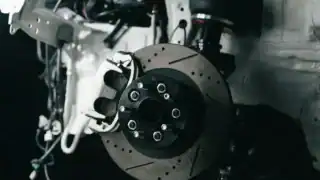
Our process starts with a proper inspection. We remove the wheels and examine the brake pads, rotors, callipers, and brake fluid condition. American vehicles often use different brake architectures depending on the model year and make—front disc brakes are standard, but older American trucks may have drum brakes on the rear. We check each system accordingly.
For the brake pads themselves, we measure thickness and look for uneven wear patterns. We also inspect the rotor surface for scoring, rust, or warping. If a rotor is within specification, it can sometimes be resurfaced rather than replaced entirely, which can save cost. However, if it’s damaged beyond safe limits, replacement is the only option. We use OEM-specification parts or quality equivalents that match the original American vehicle manufacturer’s standards for friction material and stopping power.
The calliper gets checked too—we look for fluid leaks, piston movement, and any signs of corrosion or damage. If a calliper is sticking or leaking, the entire calliper needs replacing, not just the pads. For American trucks and larger vehicles, we also check brake hoses for cracks or swelling and replace them if necessary. Once new pads and rotors are fitted, we bleed the brake system to ensure there’s no air in the lines, which could compromise braking performance.
We also top up or replace brake fluid as needed. American vehicles typically use DOT 3 or DOT 4 brake fluid, and over time it absorbs moisture which reduces its effectiveness. Fresh fluid ensures consistent braking feel and protects internal brake components from corrosion.
What Affects the Cost and Time for Your Brake Job
The price of American vehicles brake replacement depends on a few real variables. The number of wheels needing new pads matters—many people replace front pads only, but if rears are worn, you’ll need a full four-wheel replacement. Rotor condition is the biggest variable: resurfacing existing rotors costs less than replacing them, but severely damaged rotors have no option but replacement.
The specific American model also plays a role. A Ford Mustang has a different brake setup than a Ford F-250, and a Chevrolet Corvette uses performance-grade brakes very different from a Chevy Silverado. Parts availability affects timeline too—we source parts locally and keep common American brake components in stock, so most jobs turn around quickly. If a less common part is needed, we’ll source it without leaving you waiting unnecessarily.
Labour time typically ranges from an hour or two for a straightforward pad and rotor replacement, up to longer for vehicles with calliper issues or brake fluid problems. We’ll inspect first, explain what you need, and give you honest information about what the job involves before we start work.
Why Gatton Drivers Choose Us for Brake Work
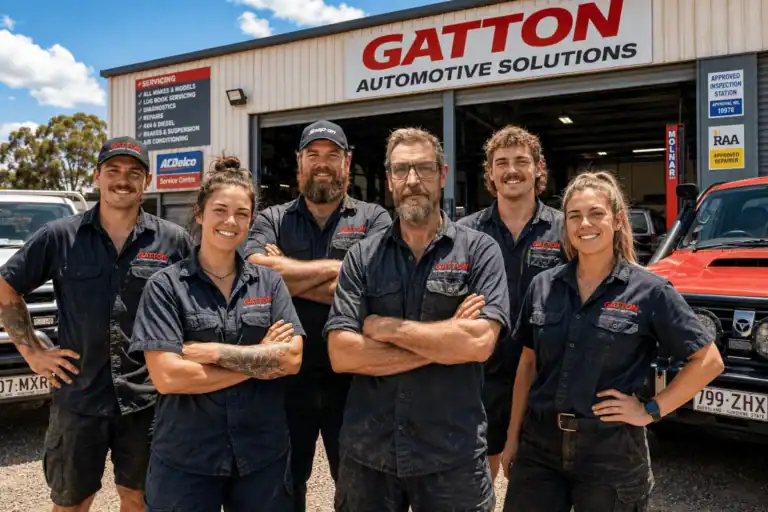
We’re a full-service workshop right here in Gatton—no need to drive to Ipswich or Toowoomba for brake work. We handle American vehicles regularly, from everyday cars to trucks and heavy equipment, so we understand the differences between makes and models. We source parts locally, keep stock of common items, and we don’t upsell you into work you don’t need. If your rotors are safe to resurface, we’ll tell you that. If they need replacing, we’ll explain why and fit quality parts that meet the original specification.
Our workshop has the equipment to do brake work properly—we measure rotor thickness accurately, use proper bleeding procedures, and test brake pedal feel before you leave. With five-star reviews, our local reputation speaks to how seriously we take safety-critical work like brakes.
Get Your American Vehicle Brakes Inspected Today
If you’re hearing noise, feeling a soft pedal, or just want peace of mind that your brakes are safe, book your free inspection with us. Call us now or book your free inspection online—we’ll get you sorted quickly and fairly.