A Nissan radiator repair isn’t something most drivers think about until they’re watching the temperature gauge creep toward the red. The radiator sits at the heart of your cooling system, moving heat away from the engine by circulating coolant through a network of fine tubes and fins. When it’s cracked, blocked, or leaking, your engine temperature climbs fast and the damage can escalate quickly. For Nissan owners in Gatton and across the Lockyer Valley, getting a radiator problem diagnosed and fixed without a long drive to Ipswich or Toowoomba is exactly what we’re here for.
Signs Your Nissan Radiator Needs Attention
Radiator problems rarely announce themselves all at once. More often they show up as small, easy-to-miss clues that gradually get worse. Knowing what to look for can save you from a roadside breakdown or, in a worst case, a seized engine.
- Coolant puddles under the car after it’s been parked, especially near the front of the vehicle
- Low coolant warning light coming on more frequently than usual, even after you’ve topped it up
- Engine running hotter than normal or the temperature gauge sitting higher than you’re used to seeing
- Discoloured or rusty coolant in the overflow reservoir, which can indicate internal corrosion breaking down the radiator core
- Sludge or oily residue in the coolant, sometimes a sign of a cracked internal tank allowing transmission fluid to mix with coolant on models with a transmission cooler built into the radiator
- Steam from under the bonnet while driving or shortly after you stop
That last point about transmission fluid contamination is worth noting specifically for Nissan models. Many Nissan Patrol, Navara, and X-Trail variants use a radiator with an integrated automatic transmission oil cooler. If the radiator develops an internal leak, transmission fluid can enter the coolant circuit and vice versa. This creates a milky, frothy mixture that’s damaging to both the transmission and the engine. If you notice this in your Nissan, stop driving and get it inspected as soon as possible.
What Does a Nissan Radiator Repair Involve?
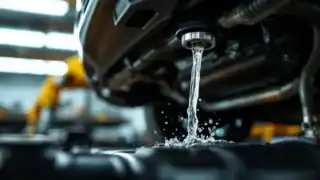
We start with a pressure test on the cooling system before we pull anything apart. This involves pressurising the system with a test tool and watching for pressure loss, which pinpoints whether the leak is from the radiator itself, a hose, the water pump, or another component. It’s a straightforward diagnostic step, but it stops us replacing parts that don’t need replacing.
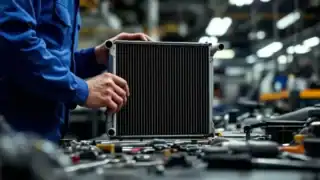
Once we’ve confirmed the radiator is the source of the problem, we assess the extent of the damage. A minor external leak at a fitting or end tank seam may be repairable. A cracked core, heavily corroded internals, or contamination from transmission fluid typically means a full replacement is the better call. Trying to patch a radiator that’s structurally compromised rarely lasts.
For replacement work on Nissan vehicles, we source parts that meet OEM specifications, whether that’s a genuine-equivalent radiator or a quality aftermarket unit matched to your specific model and engine type. Nissan’s range spans everything from the small Micra through to the heavy-duty Patrol and the Navara work ute, so part selection matters. We match the replacement to your exact vehicle, not a one-size-fits-all option.
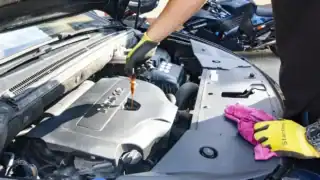
After the new radiator is fitted, we flush and refill the cooling system with the correct coolant type and concentration. Nissan models use specific coolant formulations depending on engine type and age, and using the wrong mix can actually accelerate corrosion. We road test the vehicle once everything is back together and check for leaks before the car leaves our workshop.
What Affects the Cost and Turnaround for Radiator Repairs in Gatton?
A few factors influence what a Nissan radiator repair will involve in terms of time and cost. The severity of the damage is the biggest variable. A genuine leak at a hose connection is a simpler fix than a radiator that’s corroded through or contaminated with transmission fluid. The second factor is the vehicle itself. A Nissan Micra is a straightforward job. A full-size Patrol, especially a GU or GQ with a larger engine, involves more time and a larger part.
Parts availability also plays a role. Most popular Nissan models have good aftermarket support and reasonable parts availability. Older or less common variants may need a few extra days for parts to arrive. We handle all the sourcing in-house, so you don’t need to chase down suppliers yourself.
OEM-spec parts generally cost more than budget alternatives, but they’re built to the tolerances your Nissan was designed around. We’ll talk through the options honestly before any work starts.
Why Choose Gatton Automotive Solutions for Your Nissan Cooling System?
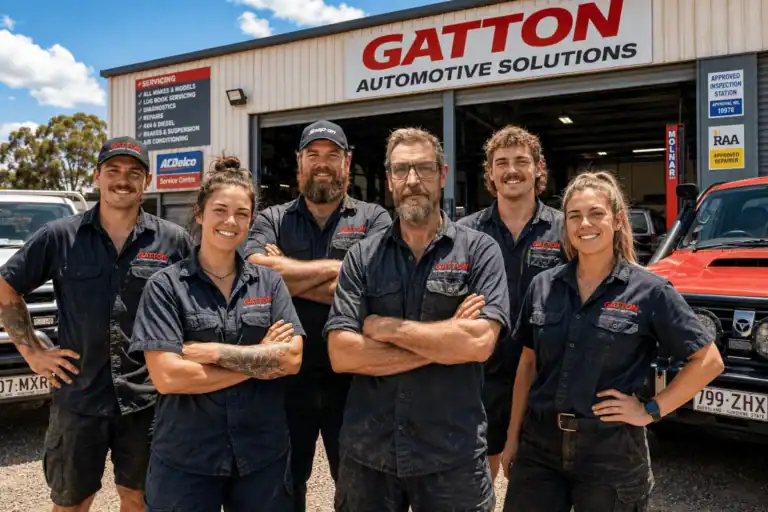
We’re a full-service workshop in Gatton with the scope to handle everything from everyday passenger cars and Nissan utes through to trucks and heavy equipment. Cooling system work sits within a broader mechanical capability that includes diagnostics, general repairs, suspension, tyres, and roadworthy certificates, all under one roof. You won’t be sent elsewhere for a related issue.
Our pricing is straight. We don’t recommend work that isn’t needed, and we explain what we find before we proceed. With five-star reviews from local drivers, that approach seems to be working. For Nissan owners in the Lockyer Valley who’ve previously had to travel to Ipswich or Toowoomba for specialist work, we’re worth a call first.
If your Nissan is running warm, leaking coolant, or you’ve noticed anything that doesn’t seem right under the bonnet, Call Us Now or Book Your Free Inspection online. We’ll take a look and let you know exactly what’s going on.