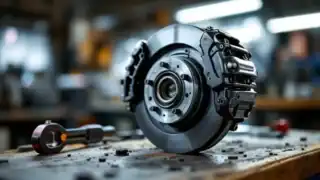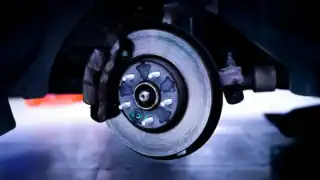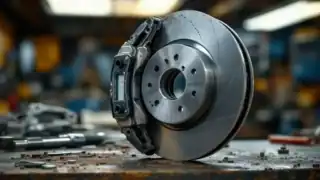
Your Isuzu’s brakes are doing serious work every day. Whether you’re driving a D-Max through the Lockyer Valley on a loaded tray, or running an MU-X packed with the family across town in Gatton, the braking system is what stands between a normal stop and a dangerous one. Isuzu brake repair isn’t just about swapping parts when something squeals — it’s about understanding how Isuzu’s hydraulic and mechanical systems behave, identifying the right fault, and fixing it properly the first time.
Warning Signs Your Isuzu Brakes Need Attention
Isuzu utes and SUVs are popular across the Lockyer Valley because they’re built to work hard. That same workload takes a toll on brake components over time. Some warning signs are obvious. Others are easy to dismiss until they become a real problem.
- Squealing or grinding when you brake — a high-pitched squeal usually means the wear indicators on the pads are making contact with the rotors. Grinding is worse: metal on metal, often meaning the pads are worn through entirely.
- The brake pedal feels soft or spongy — this can point to air in the brake lines or low brake fluid, both of which affect your stopping distance immediately.
- Pulling to one side when braking — if the vehicle drifts left or right under braking, one side may have a stuck calliper, uneven pad wear, or a failing brake hose.
- Vibration or pulsing through the pedal or steering wheel — typically caused by warped rotors (also called brake discs). Common on Isuzu D-Max models used for towing, where repeated heavy braking generates sustained heat.
- A longer stopping distance than usual — if you’re noticing the vehicle takes more road to stop than it used to, don’t wait. Get it inspected.
- The brake warning light on the dash — Isuzu vehicles will display a warning if brake fluid is low or if the electronic brake distribution system detects a fault.
Any one of these symptoms is a reason to book an inspection. With heavy vehicles and loaded utes, compromised brakes carry a much higher risk than they would in a lighter passenger car.
What Does an Isuzu Brake Repair Involve?
Diagnosing a brake issue on an Isuzu starts with a proper visual and mechanical inspection, not guessing. Our technicians check the full system before recommending any work.
Inspection and Diagnosis
We measure pad thickness across all four corners. Isuzu’s service schedules recommend inspection at regular intervals, and the D-Max in particular tends to wear rear pads faster than some owners expect due to the load-sensing brake proportioning setup on earlier models. We check rotor thickness and surface condition, inspect brake callipers for seizing or uneven movement, and test the brake fluid for moisture content. Brake fluid absorbs moisture over time, which lowers its boiling point and can cause fade under hard or sustained braking — a real concern if you’re descending a grade with a loaded tray.
Parts and Specifications
Isuzu specifies particular rotor dimensions and pad compounds for each model variant. We source parts to OEM specification or genuine-equivalent quality — the right fit, the right friction material, and the right calliper hardware for your exact D-Max, MU-X, or truck variant. Fitting undersized or mismatched parts on an Isuzu ute built for towing creates problems down the track. We won’t do that.
Brake Fluid Service
If moisture levels in the fluid are high, a brake fluid flush is recommended alongside the repair. Fresh fluid is part of restoring the system to full performance, not just an add-on.
What Affects the Cost and Time for Brake Repairs?
No two brake jobs are exactly the same. Several factors affect how long a repair takes and what it costs.
The biggest variables are how worn the components are and whether you need pads only, pads and rotors together, or a more involved repair like a calliper replacement or brake line work. A D-Max that’s been doing light highway driving will present very differently from one that’s been towing a trailer or working on a rural property. We’ll inspect first and give you a clear picture of what’s needed before any work begins.
Parts availability for Isuzu models in regional Queensland is generally good. We handle our own parts sourcing, which means we’re not waiting on you to chase down a supplier. For less common configurations or older model years, lead times can vary, but we’ll let you know upfront.
Why Get Your Isuzu Brakes Fixed in Gatton?
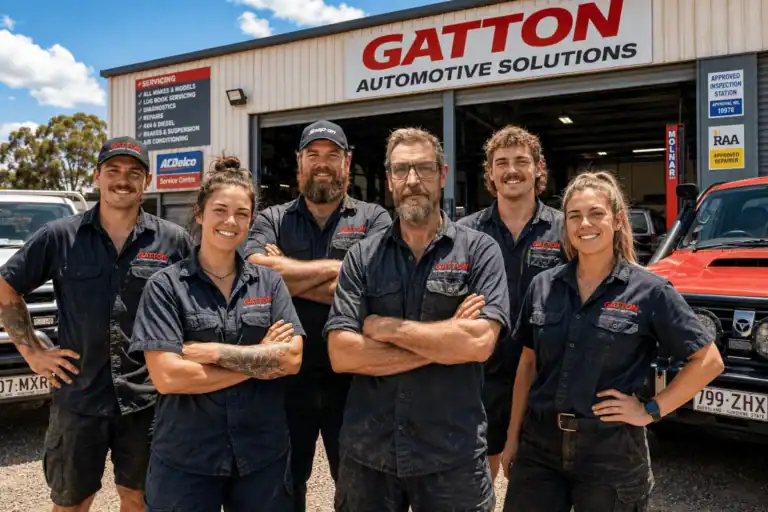
Gatton Automotive Solutions handles everything from everyday cars to heavy vehicles and equipment — all under one roof. For Isuzu owners in Gatton and across the Lockyer Valley, that means you’re not driving 45 minutes to Ipswich or Toowoomba for a brake repair that can be done locally, properly, and without fuss.
We’re a full-service workshop. Alongside brake repairs, we can carry out logbook servicing, tyre fitting, suspension work, and roadworthy certificates on-site. If your Isuzu comes in for brakes and we spot something else during the inspection, we’ll tell you plainly what it is and let you decide. No unnecessary work, no pressure. That’s how we operate.
With five-star reviews from drivers across the Lockyer Valley, our reputation is built on straightforward service and honest advice.
If your Isuzu is showing any brake symptoms, don’t leave it. Book Your Free Inspection online or Call Us Now — our team in Gatton is ready to help.